Anaerobic digestion is a biological process that breaks down organic materials, such as cow manure, pig manure, or other organic wastes, in the absence of oxygen. This process is not only environmentally friendly but also produces biogas, a valuable source of renewable energy. Here are the key steps involved in anaerobic digestion:
1. Collection and Pre-Treatment:
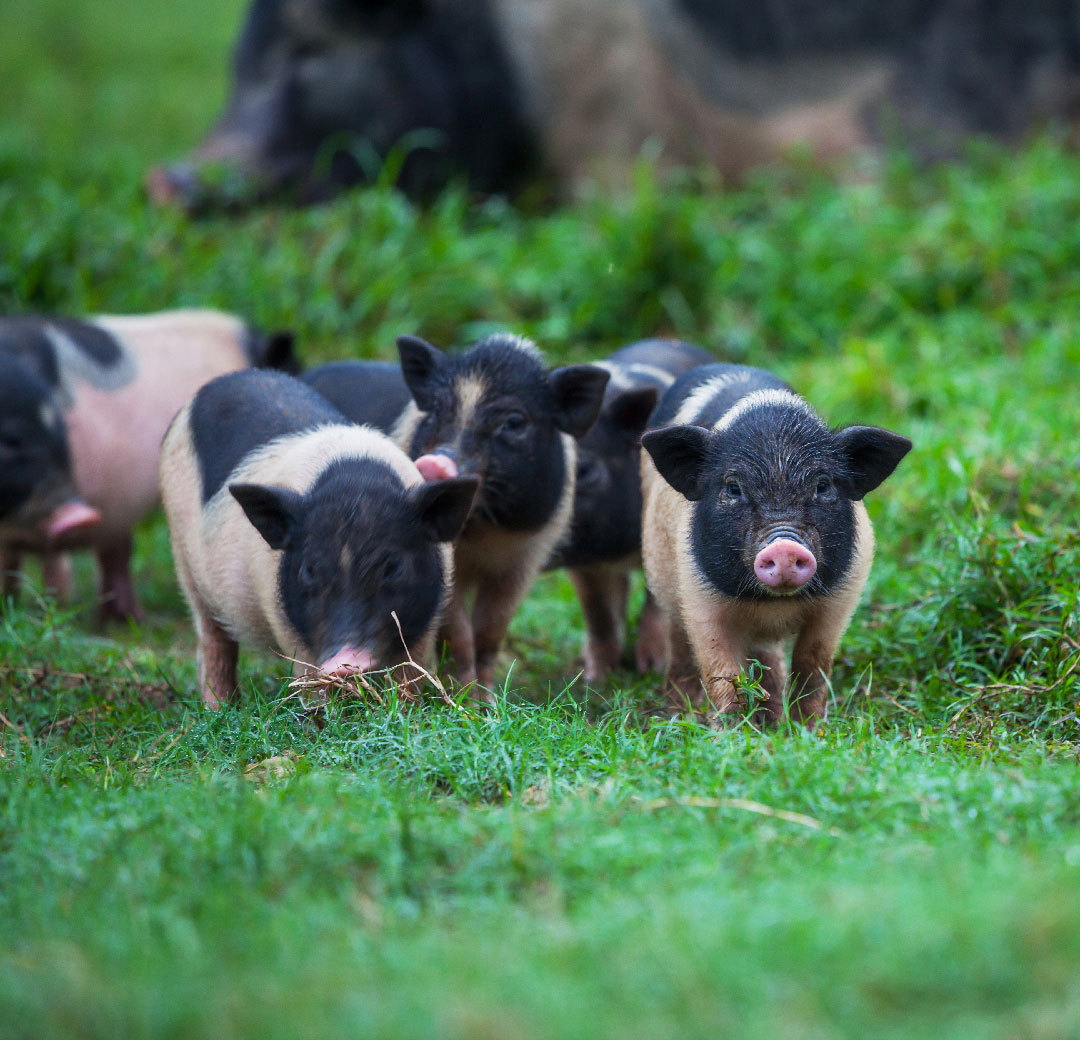
Organic waste, such as cow or pig manure, is collected and transported to a biogas facility.
It is important to remove any contaminants or non-organic materials from the waste stream to ensure the efficiency of the digestion process.
2. Mixing and Homogenization:
The collected waste is mixed and homogenized to create a consistent and uniform feedstock.
This step helps maintain a balanced microbial ecosystem in the digester.
3. Loading into the Digester:
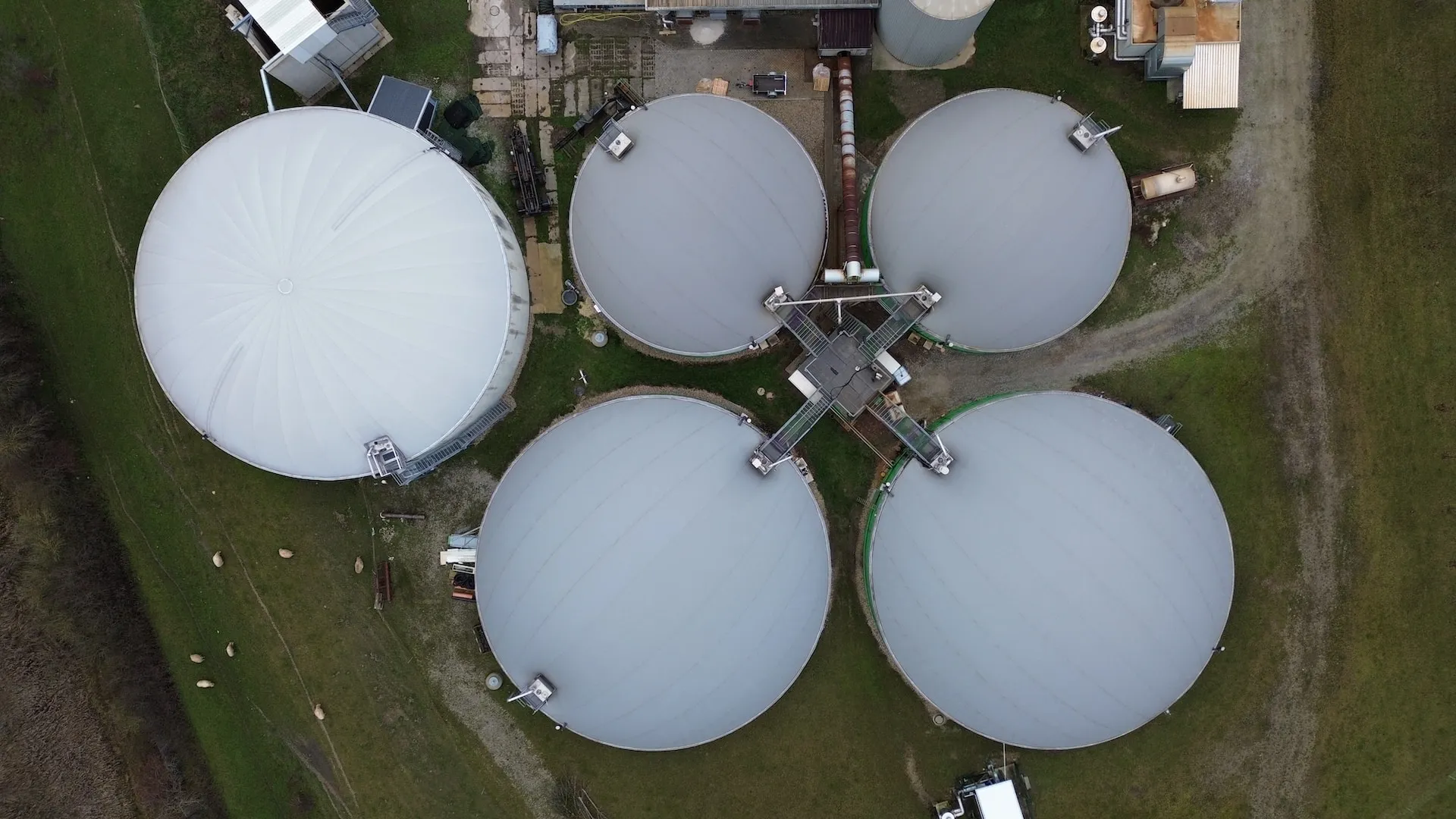
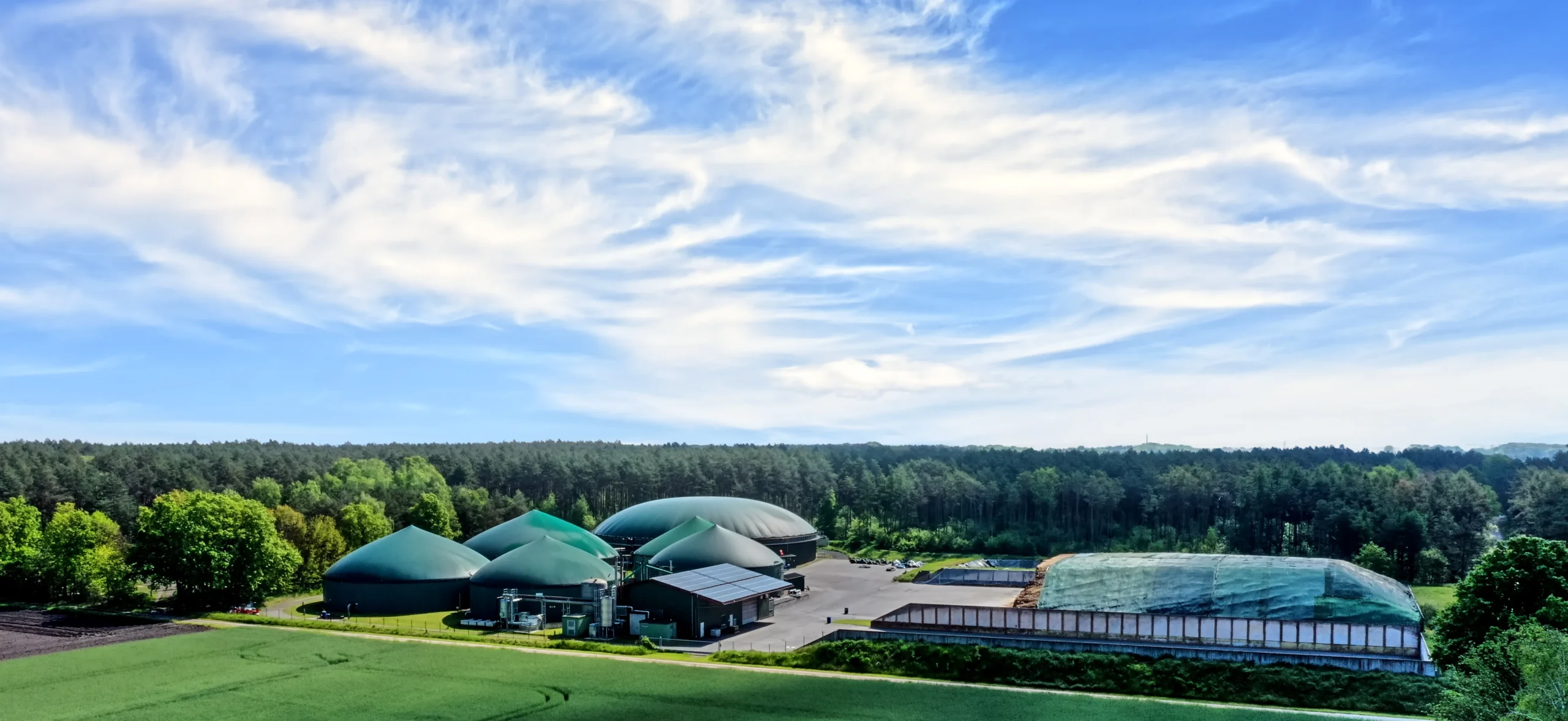
The homogenized organic waste is loaded into the anaerobic digester, which is typically a sealed tank or reactor.
The digester is kept airtight to maintain anaerobic (oxygen-free) conditions.
4. Microbial Digestion:
Anaerobic bacteria and archaea naturally present in the waste or added as inoculum begin breaking down the organic matter.
The microbial activity produces biogas, primarily composed of methane (CH4) and carbon dioxide (CO2), as a byproduct in four (4) steps:
5. Temperature Control:
Anaerobic digestion can occur at various temperature ranges, depending on the system. There are three common types: a. Mesophilic (moderate temperature, around 35-40°C) b. Thermophilic (higher temperature, around 50-55°C) c. Psychrophilic (lower temperature, around 20-25°C)
The temperature is maintained at the desired level to optimize microbial activity.
6. Retention Time:
The waste material remains in the digester for a specific period, known as the retention time.
This time varies depending on the type of waste and temperature conditions, typically ranging from several days to several weeks.
7. Biogas Collection:
As the organic material is digested, biogas is produced and collects at the top of the digester.
Biogas is a valuable source of renewable energy and can be used for various applications, including electricity and heat generation.
8. Digestate Management:
After digestion is complete, the remaining material, known as digestate, is removed from the digester.
Digestate is rich in nutrients and can be used as an organic fertilizer, returning valuable nutrients to the soil.
9. Biogas Utilization:
The collected biogas can be processed to remove impurities like CO2 and hydrogen sulfide, making it suitable for various applications.
It can be used for electricity generation, heating, or as a fuel for vehicles.
10. Monitoring and Control:
Continuous monitoring of temperature, pH levels, and other parameters is essential to ensure the efficiency of the digestion process.
Adjustments may be made to maintain optimal conditions for the microbial community.
Anaerobic digestion is a sustainable and environmentally friendly way to manage organic waste while producing renewable energy and valuable fertilizers, contributing to a circular economy and reducing greenhouse gas emissions. It is a key technology in the transition towards more sustainable agricultural and waste management practices.